

Our Mission
-
Nestled in the heart of the Caribbean, Plaisance-du-Sud, Haiti is a mountain village full of breathtaking views, lush tropical landscapes, and a warm climate. In recent years, Haiti has faced significant political instability, economic hardship, and gang-related violence, creating ongoing challenges for families—especially in rural areas where access to healthcare, education, and basic resources is limited. Despite these hardships, the Haitian people are known for their resilience, deep faith, rich cultural heritage, and strong sense of community. Our orphanage is dedicated to providing children with a safe home, quality education, and the hope of a brighter future in the midst of these challenges.
-
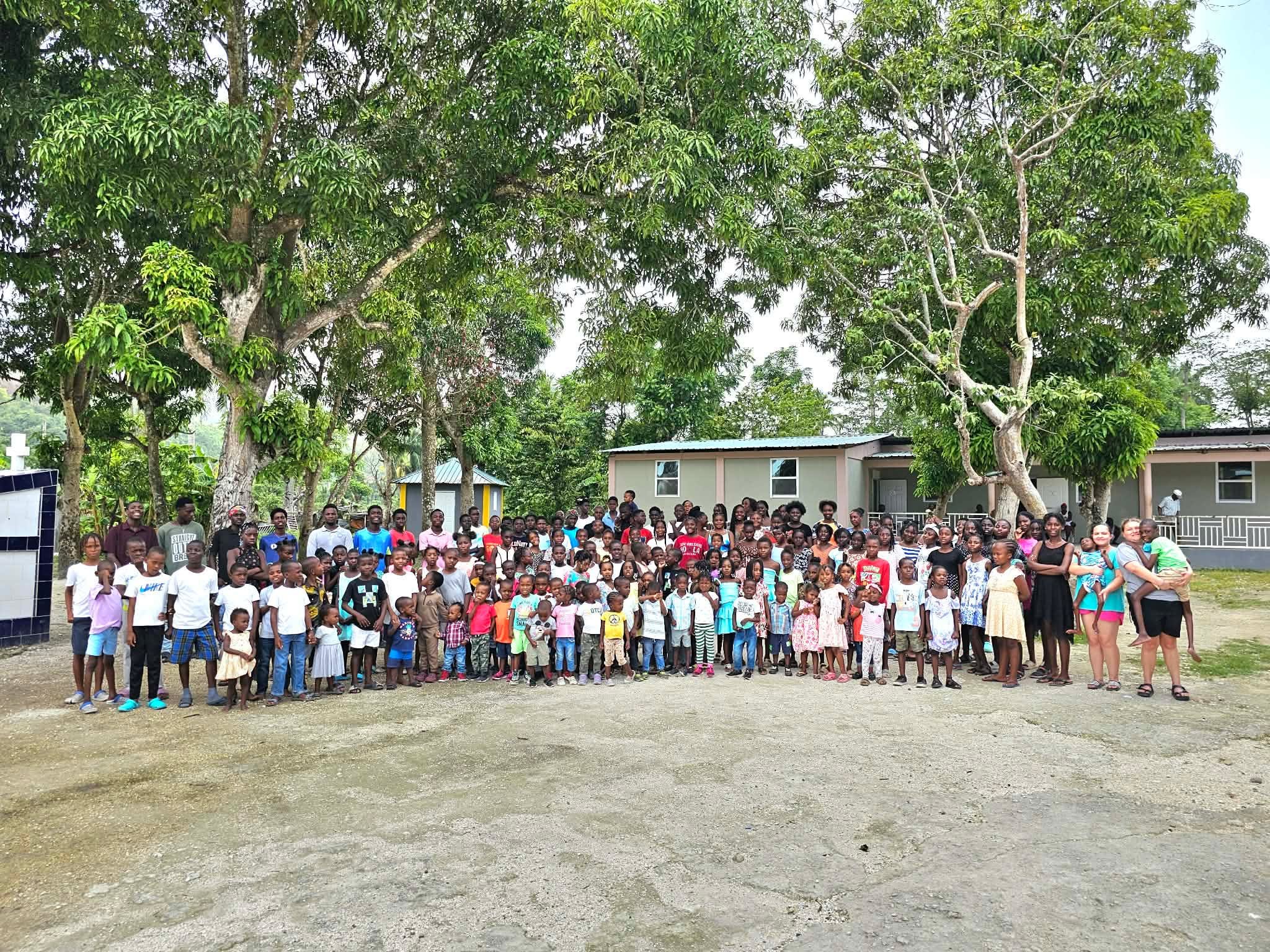
Love a Neighbor strives to do just that, love our neighbors in rural Haiti. This includes an running an orphanage of 200 children in partnership with Mission of Grace (another Haitian run non-profit), provides a care home for 16 elderly, and gives support to the surrounding community to be able to keep their families in tact.
-
Though there is free education to the children of Haiti, many of the children in our village lack the funds for the required uniforms, shoes, and books. Love A Neighbor provides all our children with these items so that they can receive an educations, creating a foundation on which they can build their futures.
-
Food insecurity is one of the biggest struggles in Haiti. Our orphanage is no exception living in a gang run country. The local economical struggles along with the fact that we are feeding 200 growing children means we are facing monthly food bills of $10,000-$12,000.
-
Our mission is to reflect Jesus, where serving and teaching go hand-in-hand. We proudly share the gospel and hope of salvation to all our children and surrounding community, including a Wednesday night worship service.
-
Haiti faces significant challenges in caring for its elderly, particularly in rural communities. Unlike many wealthier countries, there is very little government-funded social support, and pensions are limited to a small portion of the population who worked in the formal sector. As a result, older adults typically rely on their children, extended family, churches, or local communities for food, housing, and daily care. For an organization serving vulnerable populations, this often means that caring for children and supporting elderly members of the community go hand in hand. Love a Neighbor currently serves 16 elderly residents at our care home.